Is IPTV Legal? Your Straight-Talking Guide to Safe Streaming
Let’s be honest. You’re here because you’ve heard about IPTV. Maybe a friend won’t stop raving about the thousands of channels and pay-per-view events they get for a fraction of the cable price. It sounds amazing, right? But then, a little voice in the back of your head whispers: “Is this too good to be true? Is IPTV even legal?”
It’s a fantastic question, and one that deserves a clear, honest answer. The world of Internet Protocol Television (IPTV) can feel like a digital wild west, filled with both incredible opportunity and potential pitfalls.
UKIPTVSUB is the most stable IPTV I’ve used – no buffering even during live sports!
 Rated 4.8| Excellent
 Trustpilot
In this guide, we’re going to demystify it all. We’ll break down exactly what makes an IPTV service legal or illegal, arm you with the knowledge to spot the difference, and guide you toward making a safe, smart choice for your entertainment. So, grab a cup of coffee, and let’s navigate this together.
What Exactly is IPTV? It’s Not as Complicated as You Think
Before we dive into the legal nitty-gritty, let’s start with the basics. IPTV stands for Internet Protocol Television. In simple terms, it’s a way of delivering television content over the internet, instead of through traditional methods like satellite dishes or cable lines.
Think of it like this: traditional TV is like receiving a broadcast radio signal, while IPTV is like streaming a movie on Netflix. The content comes directly to you through your internet connection.
Common, perfectly legal examples of IPTV you probably already use include:
- Sling TV
- Hulu + Live TV
- YouTube TV
These services have official licensing agreements with major networks and channels. This is the crucial part that separates the legitimate from the illegitimate.
So, Is IPTV Legal? The Million-Dollar Question
Here’s the core answer you came for: Yes, the technology of IPTV is 100% legal.
It’s simply a method of delivery. The legality isn’t about the technology itself, but about the content being delivered and how it’s being delivered.
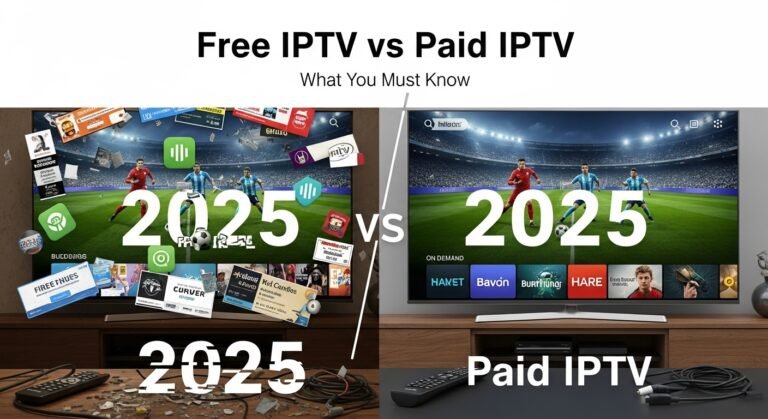
This is where we split the IPTV world into two distinct categories: the official, licensed services and the unlicensed, “gray market” services.
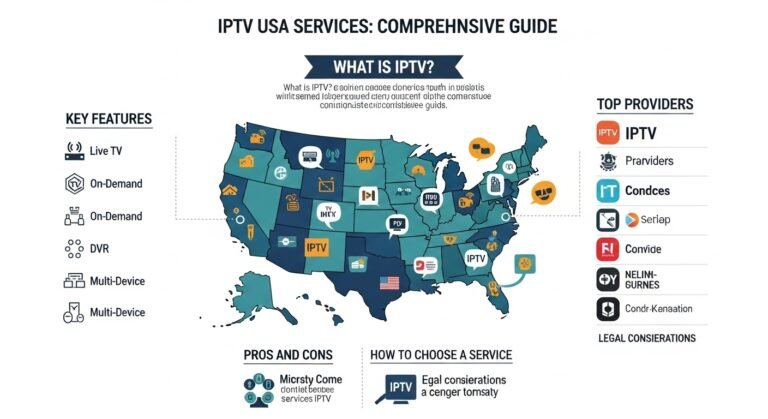
Is IPTV legal? Country snapshots (US, UK/EU)
- United States
- IPTV technology is legal; unlicensed redistribution violates copyright law. Operators face civil/criminal penalties. Users can receive ISP notices; end‑user suits are rarer but possible.
- U.S. Copyright Office: https://www.copyright.gov/
- United Kingdom
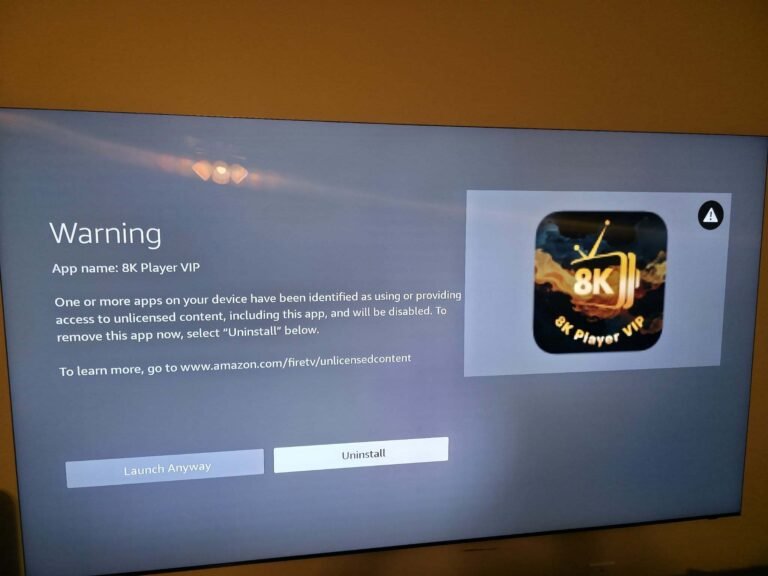
- Strong enforcement against illegal IPTV services and pre‑loaded devices. Users have received warnings/fines. Sports rights holders partner with ISPs to block illegal streams.
- UK GOV guidance: https://www.gov.uk/government/news/illegal-streaming-devices-warning
- TV Licence rules: https://www.tvlicensing.co.uk/check-if-you-need-one
- European Union
- Case law (e.g., CJEU “Filmspeler”) confirms facilitating access to pirated streams is illegal; several member states fine users and prosecute operators.
- CJEU press release: https://curia.europa.eu/jcms/upload/docs/application/pdf/2017-04/cp170039en.pdf
The global trend is clear: legal IPTV is allowed; illegal IPTV services face growing enforcement.
The Clear Divide: Legal vs. Illegal IPTV Services
✅ Licensed & Legal IPTV Services
These are the services that operate just like any other legitimate business in the media world. They are companies that have:
- Formal Agreements: They negotiate and pay for the rights to broadcast channels from content owners (like Disney, Warner Bros., Sky, etc.).
- Transparent Pricing: You pay a clear, monthly or annual subscription fee directly to the company.
- Official Apps: They often have dedicated apps on official platforms like the Google Play Store, Apple App Store, Amazon Fire Stick, and smart TVs.
- Reliable Customer Support: They offer real customer service to help with any issues.
Examples: The services mentioned earlier (Sling TV, Hulu + Live TV) fall into this category. They are legal, safe, and reliable, though their channel selection might be more limited (and often more expensive) than what you’ve heard about from IPTV.
❌ Unlicensed & Illegal IPTV Services
This is the “gray market” – and it’s where the legal dangers lie. These services offer access to thousands of live TV channels, including premium sports networks (like Sky Sports, BT Sport) and brand-new pay-per-view movies, for an unbelievably low price—sometimes as little as $10-$20 a month.
The catch? They do not have permission from the content creators or broadcasters to distribute this material.
These services essentially pirate the signal from legitimate broadcasters and resell it without paying royalties. Subscribing to and using these services is a form of copyright infringement in most countries.
How to Spot an Illegal IPTV Service: A Practical Guide
So, how can you protect yourself? Here are the biggest red flags to watch out for:
- The Price is Unbelievably Low: If a service offers every channel under the sun for a price that seems too good to be true, it almost certainly is. Legitimate rights cost money, and that cost is passed on to the consumer.
- Requests for Cryptocurrency or Strange Payment Methods: Many illegal services prefer untraceable payment methods like Bitcoin or gift cards to avoid detection.
- No Official Website or App: They may only be accessible through third-party app stores (like Downloader) or direct links from forums and social media.
- Vague or Non-Existent Customer Support: If you can’t find a real person to help you, that’s a major warning sign.
- “Lifetime Subscriptions”: No legitimate service offers a one-time payment for a lifetime of service. This is a common tactic used by illegal providers to make a quick profit before potentially being shut down.
- Constant Buffering and Unreliable Streams: Since they operate without proper infrastructure and are often the target of shutdowns, their service can be notoriously unstable.
The Real Risks of Using an Illegal IPTV Service
“It’s just streaming, what’s the worst that could happen?” This is a common thought, but the risks are real, both for the provider and for you, the end-user.
- For the End-User (You):
- Legal Repercussions: While major legal action against individual users has been less common, it is increasing. In some regions, you could receive a warning letter from your Internet Service Provider (ISP) or even face fines. Ignoring these can lead to more serious consequences.
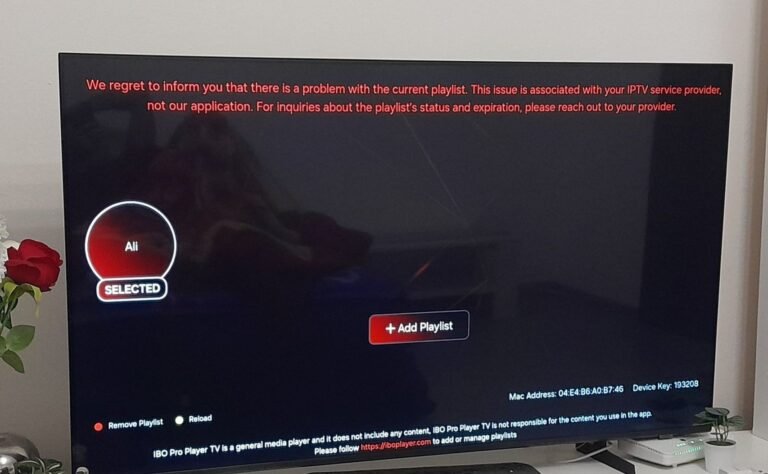
- Security Risks: These services often require you to install unofficial apps that can be laden with malware, viruses, or spyware, putting your personal data and devices at risk.
- Financial Scams: You have no financial protection. The service can vanish overnight with your money, and your bank details could be compromised.
- Poor Experience: Constant buffering, channels going offline, and a lack of support make for a frustrating viewing experience.
Your Safe Path to IPTV: Choosing a Legitimate Provider
Now for the good part! You can still enjoy the vast benefits of IPTV without the legal and security headaches. The key is to be a diligent consumer.
Ask yourself these questions before subscribing to any IPTV service:
- Do they have a professional, transparent website? A legitimate business invests in its online presence.
- Are their payment methods standard? Look for credit/debit card processors or well-known platforms like PayPal.
- Do they offer a free trial? A confident, reliable provider will often let you test their service. This is a great way to check stream quality and channel reliability.
- Is their channel list realistic? Be wary of services promising every single premium channel in the world for a dirt-cheap price.
- Is customer support responsive? Try reaching out with a question before you buy. See how long it takes them to respond and how helpful they are.
Why ukiptvsub.com is Your Trusted Choice
When navigating the complex IPTV landscape, it’s crucial to find a provider that prioritizes reliability, service, and customer trust. ukiptvsub.com stands out by focusing on a premium, stable streaming experience with a commitment to customer satisfaction. We encourage you to do your research, ask the tough questions, and choose a service that aligns with your values and entertainment needs. Exploring a provider like ukiptvsub.com can give you insight into what a dedicated, customer-focused IPTV service looks like, from their clear subscription models to their responsive support team.
Frequently Asked Questions (FAQ)
Q1: Can I get in trouble for just watching streams on an illegal IPTV service?
A: While the primary legal target is usually the service provider, end-users can also face repercussions. This can range from receiving warning letters from your ISP to, in some jurisdictions, legal fines for copyright infringement. It’s a risk that’s simply not worth taking.
Q2: What is the difference between IPTV and Kodi?
A: This is a common point of confusion! Kodi is simply a media player software, like VLC or Windows Media Player. It is perfectly legal on its own. It becomes a problem when third-party add-ons (which are not part of Kodi itself) are installed to access pirated IPTV streams. The legality issue lies with the add-on, not Kodi.
Q3: Are free IPTV apps legal?
A: Free IPTV apps that offer access to premium, copyrighted live TV channels without permission are almost always illegal. There are some free and legal IPTV apps that offer a limited selection of legitimate channels (like Pluto TV), but if it’s offering Sky Sports or HBO for free, it’s almost certainly pirated.
Q4: How can I tell if my current IPTV provider is legal?
A: Run them through the checklist above. Do they have a professional website? Standard payment methods? A realistic channel list and price? If you’re paying $15 a month for every premium sports and movie channel, it’s a major red flag.
Q5: Is using a VPN with IPTV legal?
A: Using a VPN is legal in most countries. Some people use them with IPTV for privacy reasons. However, it’s important to note that a VPN does not make using an illegal IPTV service legal. It may hide your activity from your ISP, but it does not change the fundamental copyright infringement.
Ready to Stream with Confidence?
The world of IPTV doesn’t have to be scary or confusing. By understanding the difference between legal and illegal services, you can unlock a new world of entertainment without compromising your security or peace of mind.
Ready to take the next step with a service that values transparency and quality? Explore the premium packages and stellar service offered by ukiptvsub.com today. Find the perfect plan for your home and start enjoying a superior streaming experience.
Still have questions? We’ve got answers! Subscribe to our newsletter for more valuable insights, expert tips, and the latest updates in the world of safe and smart streaming delivered directly to your inbox